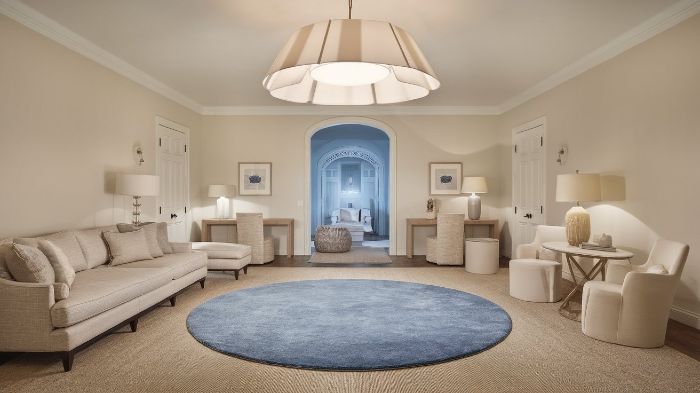
Ever walk into a room and just be non-committal about it? It’s not ugly, but it’s not you. Whichever the case may be, space is just a storage system. We think your home should be something to be a source of joy. It must tell a story and refill your soul. This is where the magic of transforming interiors comes in. It involves more than purchasing brand-new items. It’s a matter of providing an ambience. A feeling.
In this guide, we’ll walk you through all steps. We will look instead at the changes that are small but have big effects. Designer secrets for a budget price. Together, we can transform your mundane rooms into subjects of your dreams and inspire you. Here you don’t need a huge budget. A little direction and creativity is all that is required. So let us start on this thrilling journey.
For sellers and investors, it’s important to master the basics of property flipping and strategies for maximizing rental ROI. Knowing how sustainable real estate gains value, planning for closing costs, and even learning how to sell a home by owner can make all the difference in achieving long-term success.
The Foundation: Understanding Your Space and Style
Before you put the paintbrush in your hand take a moment The greatest of transformations all begin with understanding. You need to know your space. You also need to know the style that suits you. This foundation is a pre-requisite for success.
The Art of Observation: What Does Your Home Say?
Just spend a day by watching what you do at home. How does the light move? What direction do you tend to fall into? What are the cluttered or vacant areas of a room? Observe the positive things you love and the annoying things. The very fact of awareness is all that is needed in the beginning. It provides It gives you a roadmap for transforming interiors in a way that truly serves you.
Defining Your Personal Style
Should match your personality, your home should be an expression of who you are. But what if you have no idea what style you have? Don’t worry, most of us are not monocultural. We are often a mix. Let us consider some favorite home decor ideas to help figure out which ones you naturally enjoy.
| Design Style | Key Elements | Color Palette | The Vibe |
|---|---|---|---|
| Minimalist | Clean lines, uncluttered, “less is more” | Neutrals: whites, beiges, grays, black | Calm, Simple, Intentional |
| Bohemian | Eclectic mix, plants, textures, patterns | Earth tones, jewel tones, vibrant accents | Free-spirited, Cozy, Lived-in |
| Industrial | Exposed brick, metal, raw wood, open spaces | Grays, black, brown, metallic shades | Edgy, Urban, Utilitarian |
| Modern Farmhouse | Rustic wood, shiplap, cozy textiles, neutral | Whites, creams, black, natural wood tones | Warm, Inviting, Comfortable |
I want to have a variety in the combination of elements. Maybe you are in love with the clean lines of minimalism. However, you’re also attached to the hunter Bohemian texture, just because it’s comforting. Great! That’s your unique style.
The Power of Color: Painting Your World
Colour is the most influential element of design. It’s relatively inexpensive. Instantly it can totally alter the mood of a room overnight. However, the choice of color can be overwhelming. Let’s break it down.
Color Psychology: More Than Just a Hue
Colors evoke emotions. In design this is a strong notion called color psychology. For this reason, it can help you cobble together exactly the atmosphere you’d like to see. When decorating interiors, consider the way you want to feel in the space.
Quick Color Psychology Guide
- Blue: Calm, Serenity, Focus: Best to use in bedrooms, offices.
- Green: Nature, Balance, Health Submittal: Excellent for living rooms, kitchens
- Yellow: Happiness, Energy, Optimism – Use in servings areas, ice cream parlors and restaurant – Hallways.
- Red: Handsomeness, Strength, Commitment, Intelligence, Action, Power, Beauty, Education, Strength, Charm, Revolution, Reflex, Confidence, Hunger, Enchanting, Durable Furniture Design, Contemporary & Modern, High Tech, Modernity, Design Music, Opera, Showy Sombrero, black. Artist The Sydney Symphony Orchestra, located in the Netherlands, performed ‘that Symphony No. 1’.
- Neutral: (White, Gray, Beige) – helps create a nice clean and versatile background to any room
Pure colour and without meaning, or mixed with no clear form, may address the soul in a thousand different ways.” – Oscar Wilde
The 60-30-10 Rule: A Designer’s Secret Weapon
This is a design principle from way back in time. It does make it easy to pick a color palette. It will ensure that your room is looking harmonious and clean.
- 60% is your dominant color. This is most significantly your wall color. It creates the general atmosphere for the room.
- 30% is your secondary color. This is usually your furniture, curtains or an accent wall. It supports the main color.
- 10% is your accent color. This is the fun part! Use it as pillows, artwork and smaller decoration pieces.
This very basic principle ensures that your space does not look cluttered. This makes it professional, cohesive and cohesive in appearance. You may look for more in-depth advice on making a color scheme from the experts at The Spruce who cannot go wrong when a home project is underway.
Let There Be Light: Illuminating Your Design
Lighting is often given the poor light. This is a huge mistake. Good illumination can establish a small room as a large one. It has the ability to make colors pop and also create a warm and inviting glow. Bad lighting can turn the most beautiful room sterile and drab.
When navigating today’s housing market, buyers are increasingly drawn to properties with smart home features and eco-friendly upgrades. Understanding local market shifts and emerging real estate trends can help both investors and first-time buyers make confident decisions while avoiding costly mistakes.

Layering Your Lighting
Use placement of the three layers of lighting. This is an essential component of a lot of interior design trends.
- Ambient Lighting: This is the general lighting of the room. Consider master lighting or recessed lighting. This light source provides general illumination.
- Task Lighting: This is point-specific lighting for certain tasks. Reading lamp beside a chair or under-cabinet lighting in the kitchen are some examples.
- Accent Lighting: This is to add drama It emphasizes certain elements such as a piece of artwork, plant, architectural detailing, etc. Picture lights or uplights are those.
These three layers blended you get complete control. The ideal atmosphere can be made for any occasion.
Choosing the Right Fixtures
An exterior lamp is the jewellery in a room. From a beautiful chandelier to a sleek floor lamp, statement pieces are wanton. Don’t settle for the mundane fixtures which were included when your house was built. A classless (minimal) procedure, replacing the old ceiling light is a DIY project. This has a monumental effect on the interior decorating of your space.
Maximizing Natural Light
Natural sunshine is the best beauty light. It unleashes an influx of positive energy and makes us feel happy and energized. Open windows are preferable as well, so keep it clean and clear. Instead of using heavy curtains, use light and airy curtains. You can also use mirrors. Large mirror will reflect light and make the room appear brighter and larger.
Furniture and Flow: Arranging for Life
The arrangement of your furniture has an impact on how you live in a space. Good flow makes easy and comfortable entry out of a room. Poor flow and space: Revenue Design Limited designs with geometric sculpts, such as clear flow, line of sight and proportion to make it feel roomy, and thus comfortable. This is an essential aspect of interiors transformation.
Creating Functional Zones
Even an open-plan room can be divided into different “zones.” Carpets are designated areas for sitting. Category Console Table behind a sofa and create a new entry area zone. This helps make the room appear more clutter free. It provides a distinct purpose to each area. This is particularly useful with small space solutions.
The Magic of Multi-functional Furniture
In today’s homes, furniture is required to do a lot of work. An Ottoman is a footstool, coffee table, and spare seat. Sleeper Sofa- ideal for guests A dining table can also serve as a worktable. Compact furniture is multi-functional and a practical idea. It saves space and money.
From dull to dreamy: Sophie’s master bedroom transformation
Smart Furniture Grid
| Piece | Primary Use | Secondary Use(s) |
|---|---|---|
| Storage Ottoman | Footrest / Seating | Hidden storage for blankets, toys, magazines. |
| Nesting Tables | Coffee/End Table | Can be separated for guests or used in different areas. |
| Console Table | Hallway Table | Can double as a slim desk or a bar cart. |
| Daybed | Sofa / Seating | A comfortable bed for overnight guests. |
Textures and Textiles: Adding Depth and Comfort
A room with just plain (flat or smooth) surfaces can be perceived as cold. Texture can make a room nice and interesting. It ask sensitively to feel and experience the ambiance of the room.
A Symphony of Materials
Consider combining materials, they can be tried. Chunky sweaters and a cozy, leather sofa. Glassy espresso table on a natural jute rug. Shapely bed of wood with comparisons of velvet pillows This contrast belongs to the visual interest. It is an integral element of turning dull interiors into captivating ones.

The Role of Rugs, Curtains, and Cushions
Textiles are the simplest method of introducing texture and color. Another thing a new rug can do is completely transform a room. Throw pillows New throw pillows can make over a sofa in minutes. For more than filtering light, curtains are available to use. They have the effect of softening and giving a room more height. Do not be afraid to use mixed patterns and textures here.
“The essence of interior design is and will always be people and the way they live. It is about the facts, not the fads, of what is an attractive, civilized, meaningful environment.” – Albert Hadley
For more inspiration on how to effectively layer elements like lighting and textiles, premier design publications like Architectural Digest offer a wealth of professional insights and stunning visual examples.
DIY Decor: Personal Touches on a Budget
You do not have to spend a fortune to make a beautiful home. The best or most meaningful decor is usually the one you make yourself. The do-it-yourself home projects give a certain personality and uniqueness that your place will also have a story.
Upcycling and Repurposing Old Items
That dresser in your garage that is old? With a chalk paint job and new hardware, it would be a truly beautiful new piece. Old glass containers will look great as decorative storage containers. An old and suitable ladder can make a unique bookshelf. Before you dispose of something you ask yourself the question: “Can this be something else?”
| DIY Idea | Materials Needed | Difficulty | Impact |
|---|---|---|---|
| Paint an Old Bookshelf | Sandpaper, primer, paint, new knobs | Easy | High |
| Create a Gallery Wall | Mismatched frames, photos, prints | Easy | High |
| Sew New Pillow Covers | Fabric, zipper/buttons, sewing machine | Medium | Medium |
| Make a Jute Rope Basket | Thick jute rope, hot glue gun | Easy | Medium |
Creating Your Own Wall Art
They can also be expensive to obtain large pieces of art for a large space. Why not make your own? You can purchase a big-size blank canvas. Then make a basic abstract painting like the next filled with some of your favorite colours. Alternatively, the beautiful scraps of wallpaper or fabric could be framed. Or set up a gallery wall just stating your own pictures. This makes your home uniquely yours.
Bringing the Outdoors In: Biophilic Design
People have an inherent need to connect with nature. Biophilia is basically the introduction of nature indoors. It has been found to relieve stress and boost well-being. This is one of the top interior design trends today.
The Best Indoor Plants for Any Skill Level
It is easiest to add life to a room which consists of plants. They filter the air and provide a great splash of green color. Don’t have a green thumb? No problem. There are many plants out there where dying is almost impossible.
- For Beginners: Snake Plant, ZZ Plant, Pothos These can be grown in low light and fairly infrequent watering.
- For a Bit More Challenge: Fiddle Leaf Fig Monstera, Bird of Paradise. These make a big statement.
- For Small Spaces: Succulents, Air Plants. They are miniaturized and easy to maintain.
A great guide from a trusted site like Apartment Therapy can help you choose the perfect first plant for your home and skill level.
Using Natural Materials and Motifs
It is not just limited to plants but can be done with natural materials. Consider wood, stone, rattan and bamboo. Nature can also be added using art and patterns. An outdoor nostalgia can be importanted inside one’s home with the help of a botanical print or a leaf-patterned cushion. This way, this focus on nature is closely related to the concept of sustainable decor which favors using stuff that is eco-friendly and long-lasting.
The Finishing Touches: It’s All in the Details
You’ve got the paint, the furniture and the lighting. Now the time has come for the final layer. It is only the small things that make any house feel like a home. They tell your story.
Curating Your Collections
Display the things you love. Don’t hide your books away. And put them beautifully in shelf arrangement. Categorize all your favourite pottery or travel souvenirs. Create a “vignette” on a table either to the side. This is a curated, small set of objects that aesthetically appeals to the aesthetic sense and conveys a story-telling.
The Impact of Hardware and Fixtures
This is a slight change with a huge impact. For example, replace the buttons on your kitchen cabinets that are just silver-colored, with a bit more something to jazz up the area, like brass or matte black. Replace light switch plates from plain plastic, with metal nameplate. These small little details add grandeur to the entire appearance of a room.
Scent-scaping: The Forgotten Sense
The scent of a room is a very important part of its atmosphere. There you can use candles, diffusers or natural elements such as eucalyptus or lavender. Select a typified fragrance for your house A clean and fresh scent in the kitchen and a relaxing and calming scent in the bedroom can complete the information about transforming interiors.
Your Home, Your Masterpiece
Interior transformation is a process, not a point. Your home will change as for you do. The most significant rule is that there are no rules. If you love it, it works. Use the following guidelines and values, but always follow your own instincts.
You can make your space motivational each and every day. Start small. Pick one room, or even a corner of a room. Make a change. See how it feels. Step by step, you can transform your dull, uninspired home into a dreamy, beautiful home that is an absolute reflection of you.
