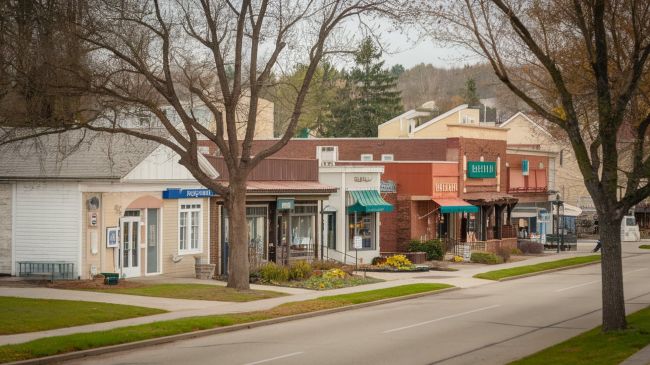
Buying a home is more than just considering an enclosed space of a few walls. You’re choosing a way of living. You’re choosing a community: its people, its schools, its level of safety, and even its weekend coffee shops.
I have seen people rather fall for a home but have to leave it because of the way the neighborhood was. I have also seen people go way past their maximum budget just to own a home in the community they felt was, just right.
This makes me want to look for what features people, you, me, and just about everyone, are looking for in the houses.
When navigating today’s housing market, buyers are increasingly drawn to properties with smart home features and eco-friendly upgrades.
Understanding local market shifts and emerging real estate trends can help both investors and first-time buyers make confident decisions while avoiding costly mistakes.
Why Community Matters More Than Ever
You have likely heard the adage, location, location, location. Although it remains so, it has expanded beyond that. However, it is not only the address. It also incorporates the amenities.
- Families value good schools, safe streets and a cordial community.
- The young professionals are looking after neighborhoods with a good nightlife, gym, and co-working places.
- Retirees are conscious of living in places with healthcare amenities, walkable, tranquil, and generally offer a feeling of community.
Consumers are ready to pay a high price in such amenities. According to a Harvard study of housing, buyers pay 10-20 percent more to purchase a home in a neighborhood with the characteristics of walkability and a high density of amenities.
This informs us of something very basic. It is not only the property, but it is the community too.
Top Features Buyers Can’t Ignore
1. Walkability and Connectivity
Traffic is a colossal waste of time. If you are fortunate to live in a place where you can walk to a café, go grocery shopping, or even bike to work, it makes a world of difference. People looking for a home understand this.
Walkability is a sought-after feature of a property. In fact, houses in “very walkable” neighborhoods are valued 23% higher than those in car-dependent areas.
Is This Community Walk-Friendly?
Walkability checklist
Quick assessment — tap each item to mark it done. Designed for accessibility and mobile (Android) touch comfort.
If the area checks the most of these, it’s a win.
2. Safety is a Must
No one is going to move to a dangerous, crime-infested area, even if the house looks amazing. A young woman is going to think twice about walking home if it is dark and the streets are empty.
Indicators of security:
- Low crime statistics
- Evidence of security patrols or gated entries
- Surveillance
- Active neighborhood watch Chris
I’ve had clients pay more in HOA fees just for the peace of mind that comes with a gated community. Of course, the downside is the rules are sometimes draconian about parking, rentals, and even the paint color of the house.

3. Schools and Education Access
This is the biggest one yet! I often have parents say, “I would be willing to buy a smaller home just to make sure my children get into the right school.”
And even without children, you still gain something from the situation. Why is that? Because schools that are highly rated are a guarantee of resale value. Homes that are in good school districts tend to sell more quickly and at a higher price.
In Texas and Florida, for example, higher property taxes are a direct result of funded schools. Better schools = higher taxes = higher home values. It is a simple calculation.
4. Parks, Green Spaces, and Playgrounds
Everyone needs a place to escape and recharge. Parks, trails, playgrounds, and dog runs are vital to a community.
That is something developers are aware of when planning subdivisions. That is the reason many new subdivisions/communities have jogging paths, community gardens, and rows of greenery.
Here’s a quick comparison:
| Community Type | Recreation Options | Buyer Appeal |
|---|---|---|
| Urban Core | Rooftop gardens Gyms Micro-parks | Singles, young couples |
| Suburban | Playgrounds Sports fields Hiking | Families |
| Senior Living | Walking trails Meditation gardens | Retirees |
A particular neighborhood was selected by one of my clients because of the presence of a shaded dog park. And it was a golden retiament deal.
5. Time-Saving Amenities
Saving communities that help you to save time during commutes and errands are priceless. Time is money.
The amenities most requested by the clients include:
- Accessible grocery stores.
- Close to gyms or yoga corporations.
- Daycare and preschools.
- Cafes and restaurants.
- Remote worker co-working spaces.
I recall a pair of clients whom I had and had to decide between two houses. One was cheaper, and well away out of stores. The other one was small, but they chose it as everything was within walking distance. They have always been repentant about it so readily and conveniently.
6. community feel and sociality.
Some places feel alive. Neighbors wave. Kids ride bikes. People host BBQs. Other locations are cold–even when they appear elegant.
Such an atmosphere usually makes or breaks decisions.
One of my clients was a visitor in an open house in a block party. She observed children playing, smelled bbq, and had pleasant faces. Two weeks after that she contracted it.
Community does not just touch on real estate. It’s about people.
7. Healthcare and Wellness Access
No one is willing to take 40 minutes to have a healthcare provider. Buyers seek local clinics, hospitals, emergency medical centers and pharmacies, such as dentists, and clinics.
This is appreciated by most retirees and even young employees desire access to urgent care in a similar fashion.
They can be made even more exceptional, with communities wellness programs such as yoga in the park or walking clubs.
8. Green and Sustainable Living.
Consumers are concerned with the expectations. They desire solar panels, EV charging stations, recycling programs and water saving landscaping.
Some cities such as Los Angeles and Austin are implementing energy efficient codes in buildings. Societies that have adopted this transformation experience growth in demand among environmental friendly consumers and values.
There are HOAs that provide rebates on the installation of solar panels. That is community law with lifestyle.
The Ups and Downs: Pros and Cons
| Feature | Pros | Cons |
|---|---|---|
| Walkability | Healthier lifestyle, less car use | Parking often limited |
| Gated Security | Peace of mind | High HOA fees, strict rules |
| Top Schools | Resale value strong | Higher taxes, competition |
| Parks & Green | Stress relief, family-friendly | Needs upkeep, attracts crowds |
| Onsite Amenities | Saves time, modern lifestyle | HOA costs rise |
I have never forgotten a couple who decided on whether to buy a big house on the outskirts of town, or on a smaller townhouse close to their respective places of work. They chose the townhouse. Why? Since it gave ten hours of savings per week in commutes and errands.
A retired physician who was another buyer chose the home based on one thing; a community walking club. I do not wish to be in seclusion, he said. That mere club made his mind up.

It’s always lifestyle first.
For sellers and investors, it’s important to master the basics of property flipping and strategies for maximizing rental ROI. Knowing how sustainable real estate gains value, planning for closing costs, and even learning how to sell a home by owner can make all the difference in achieving long-term success.
What The Numbers Show
- Community characteristics are equally important with the home as 78% of buyers report (NAR, 2024).
- Premises can increase their value to a 20 percent increase when the neighborhood is walkable (Harvard Study).
- In New Jersey, houses that are close to train stations sell 15 percent quicker.
- HOA disputes have been the most common legal problem in Florida when it comes to the sales of homes.
The national average price of a home stands at 129.6, as of February 2007 (Source: National Association of Realtors, Harvard Joint Center of Housing Studies, state real estate boards).<|human|>The average cost of a home in the country is 129.6, as of February 2007 (Source: National Association of Realtors, Harvard Joint Center of Housing Studies, state real estate boards).
For more trends, see HotProp.
Who Wants What?
| Buyer Type | Features Desired | Why It Matters |
|---|---|---|
| Families | Kids’ growth + resale | |
| Professionals | Convenience + lifestyle | |
| Retirees | Comfort + connection | |
| Investors | ROI + rental demand |
Practical Checklist for Buyers
Tick these before you sign — you’ll thank yourself later.
The Legal Side You Can’t Ignore
Now I shall go into the legal.
Pay attention to zoning laws. That silent lawn next your home? It may turn into a strip mall in five years provided that it is allowed by zoning. It is always necessary to think of long-term city plans.
HOAs can be complicated. Other ones discourage short-term rentals, and others impose arbitrary regulations such as paint colors, mailbox designs, and even fines. I have witnessed buyers dragged to court lawsuits concerning HOA matters without any notice.
The problems of easements also belong to the category of the issues that surprise people. And that pretty path behind your house? It may be a highway or road. Keep it in check, but I am not talking about your credit cards.
Having a lawyer to go over documents is not something luxurious. It’s a necessity.
“You can change your house. You can not reform your neighborhood. That one says it all.”
Another one that resonates here is that, a community is not merely constructed using bricks. It’s built with people.”
Final Thought
A house consists of ceilings and floors, however, when you have a home you purchase a neighborhood. We all desire safety, connection and convenience: you, me, she, and he, and they.
When you visit a house so you don’t simply check the counters. Look out the windows. Check the sidewalks. Listen to the streets. Meet your neighbors.
The neighborhood is where you can get the real value of your home.
